


Click to jump to a certain part of the page
| Who are the offenders? |
| Who are the victims? |
| Is it illegal? |
| Catapults and ammunition |
| What can you do? |
Operation Lakeshot is a multi-agency response to a disturbing crime involving waterfowl and wildlife being killed or injured with powerful catapults. Swans, geese, pigeons and gulls are regularly being targeted by young offenders with easily obtainable catapults. This is happening all over the UK, but is particularly prevalent in the South East of England.
Who are the offenders?
Our research has identified that catapult attacks on birds and wildlife are primarily committed by small groups of children and youths. They are usually on foot or on pedal cycles, but some older offenders have been linked to targeting wildlife from vehicles. The crime is primarily taking place in urban settings and a League Against Cruel Sports investigation found evidence of a ‘Tik Tok trend’ of teenage boys filming catapult attacks and sharing videos of it on the social media platform.
Who are the victims?
Various species of wildlife and waterfowl species are being targeted. Swans, geese and ducks are often affected close to ponds, lakes and waterways. Other animals are also targets, such as pigeons, gulls, magpies and squirrels, and there have also been several examples of pet cats being attacked with catapults.
Many dead and injured birds are found by members of the public who are out walking, enjoying their local nature reserves and open spaces but find themselves faced with distressing scenes and horrific injuries. The League’s research also found examples of catapults being turned on members of the public who have intervened during bird attacks. Evidence was also found of offenders missing the intended target and causing expensive damage to vehicles, buildings and public spaces.
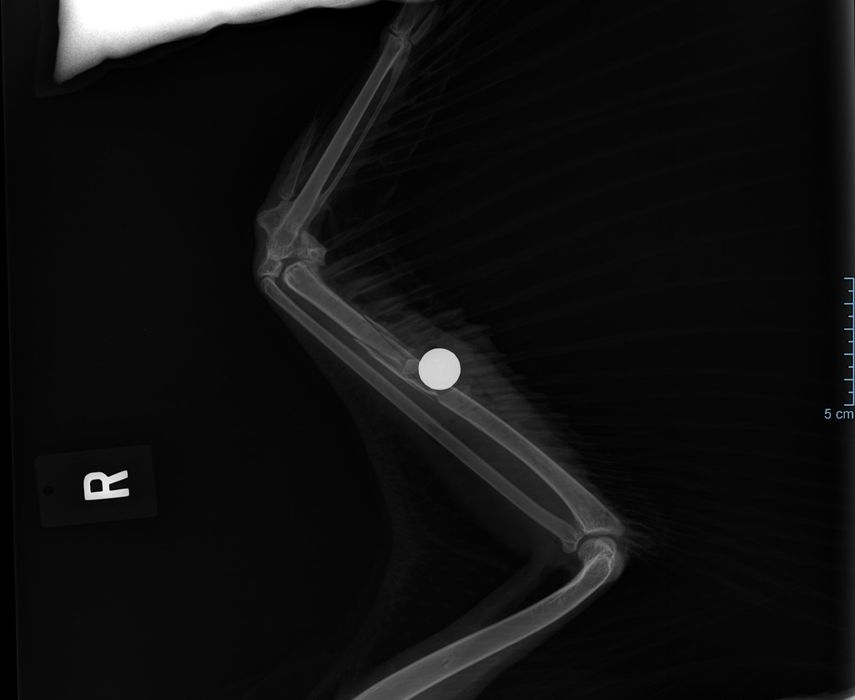
Image Credit: East Sussex Wildlife Rescue Ambulance Service (WRAS)
Is it illegal?
Killing and injuring wild birds is illegal and is covered by The Wildlife and Countryside Act 1981. This legislation makes it an offence to:
- Kill, injure or take any wild bird
- Take, damage or destroy the nest of a wild bird.
Anyone found guilty of these offences can be sentenced to six months imprisonment and / or a fine up to £5000.
There are also various offences that could arise as a result of the possession or use of a catapult.
Catapults and ammunition
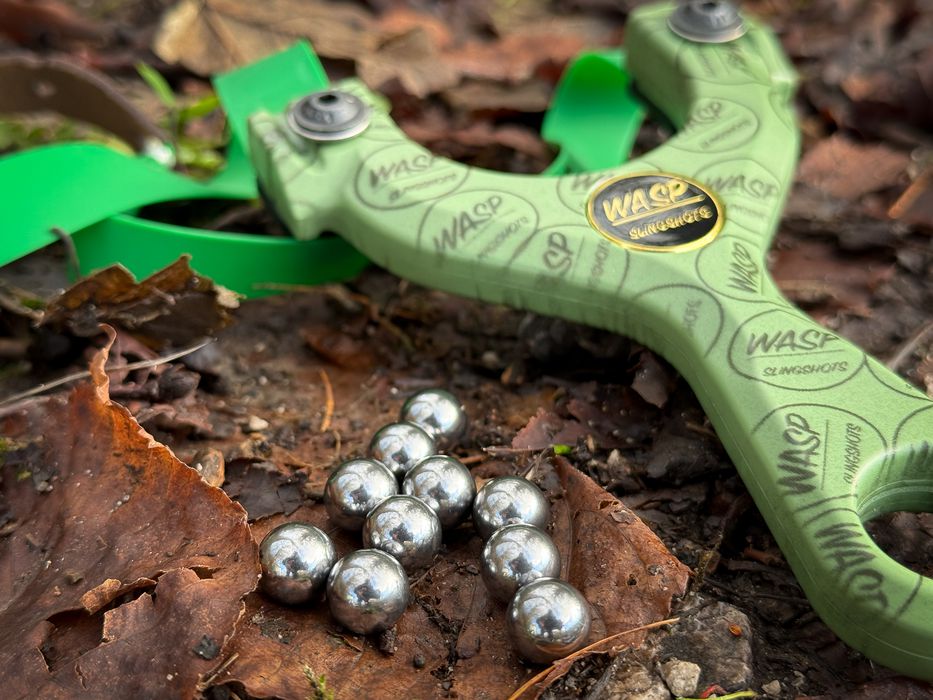
A big part of the problem is the ease in which powerful catapults can be bought without any age restrictions. Catapults are not illegal in the UK unless they are being used or carried as a weapon, which can often be difficult to prove. Some catapults are used by anglers to spread bait across a wide area, a reason that the government recently used to reject calls for a ban on the sale and possession of catapults.
The ammunition found to be used in catapult attacks on waterfowl is typically steel ball bearings and marbles but has also included pebbles that suspects have picked up from the ground in the location of the offence.
What can you do?
Contact the police
If you see a catapult crime against waterfowl or wildlife, please contact the police on 999 if the incident is ongoing or urgent. Use 101 to report a crime that has already happened or if you have information about an offence or suspects.
AND
Report to our Animal Crimewatch service
We are gathering intelligence about catapult attacks on waterfowl and wildlife so that we can get the whole picture on what is happening and achieve change for the animals and people affected. Please report any information to our Animal Crimewatch service by:
- Using our online form
- Message us on WhatsApp
- Telephone us on 0300 444 1234 (Calls cost the same as dialling a local or national telephone number)
- Or e-mail us at crimewatch@league.org.uk