

Government urged to prevent the suffering of millions of animals and improve their legal protections
Posted 13th February 2026
Charities and legal experts have teamed up to call on the Government to review existing animal welfare legislation and prevent the suffering of millions of animals despite legal protections.
The League Against Cruel Sports and the Animal Law Foundation, backed by over 60 signatories have written to the Government calling for an urgent reset of how the landmark Animal Welfare Act is interpreted and applied.
The letter to the Secretary of State for the Environment Emma Reynolds MP states that weak interpretation, inconsistent enforcement and the exclusion of entire categories of animals have allowed widespread and avoidable suffering to continue.
It makes a call for “animals to be put back into the Animal Welfare Act” which celebrates its 20th anniversary this year and highlights how these changes would tie in with the Government’s Animal Welfare Strategy published in December.
It calls for protections for all animals including wildlife and not just animals 'under the control of man'.
Edie Bowles, Executive Director of The Animal Law Foundation, said: “The Animal Welfare Act was a historic achievement, but 20 years on, many common practices still cause unnecessary suffering contrary to the Act.
“The Animal Law Foundation has a growing body of work demonstrating that correct legal interpretation works. In a landmark victory, The Animal Law Foundation has ended boiling lobsters and crabs alive by showing that it illegal under the Welfare of Animals at the Time of Killing Regulations 2015, which prohibits avoidable suffering at the time of killing for these animals.
“Our success demonstrates a critical point: common practice is not the same as lawful practice. It is entirely possible, and necessary, to reset interpretations of the law so that they reflect both its wording and its purpose.”
Emma Slawinski, chief executive at the League Against Cruel Sports, said: “Excluding animals not ‘under the control of man’ creates a two-tier system of protection, allowing responsibility for welfare to be abandoned when animals are most vulnerable.
“Gamebirds such as pheasants and partridges are protected while farmed, then reclassified as wild, and so unprotected, on release, leaving them to suffer lingering injuries after being poorly shot for sport. Stabbing, or stoning a wild animal like a rabbit is illegal under a different law, but could be punished far less severely than if the animal were a pet. This inconsistency is illogical and unjustified."
The letter highlights the following key weaknesses in the Act:
- ● Misinterpretation of “unnecessary suffering”. Practices such as selective breeding of chickens for unnaturally rapid growth or dogs and cats for extreme appearances, and the use of animals in sport or entertainment that compromises welfare, continue because they are considered “necessary” for profit or tradition. Yet legal precedent is clear: financial gain cannot justify cruelty.
- ● Failure to enforce welfare needs. Animals are legally entitled to a suitable environment, diet, social contact, and the ability to express natural behaviour. Many farmed and companion animals live in conditions that fail these basic standards, from an inability to express normal behaviours from snakes in cramped conditions and birds unable to fly and confined pigs and chickens to isolated social animals such as rabbits and guinea pigs.
- ● Exclusion of some species from meaningful protection. Certain animals are excluded from the Act, such as wild animals and invertebrates, such as crabs and lobsters. This means they are not protected from unnecessary suffering.
Edie added: “Twenty years on, it’s time to put animals back into the Animal Welfare Act.
“Animals cannot wait another 20 years for the protections they are legally entitled to. By interpreting and enforcing the law correctly and aligning it with the government strategy, we can eliminate unnecessary suffering and ensure all animals can live lives that meet their needs.”
Ends
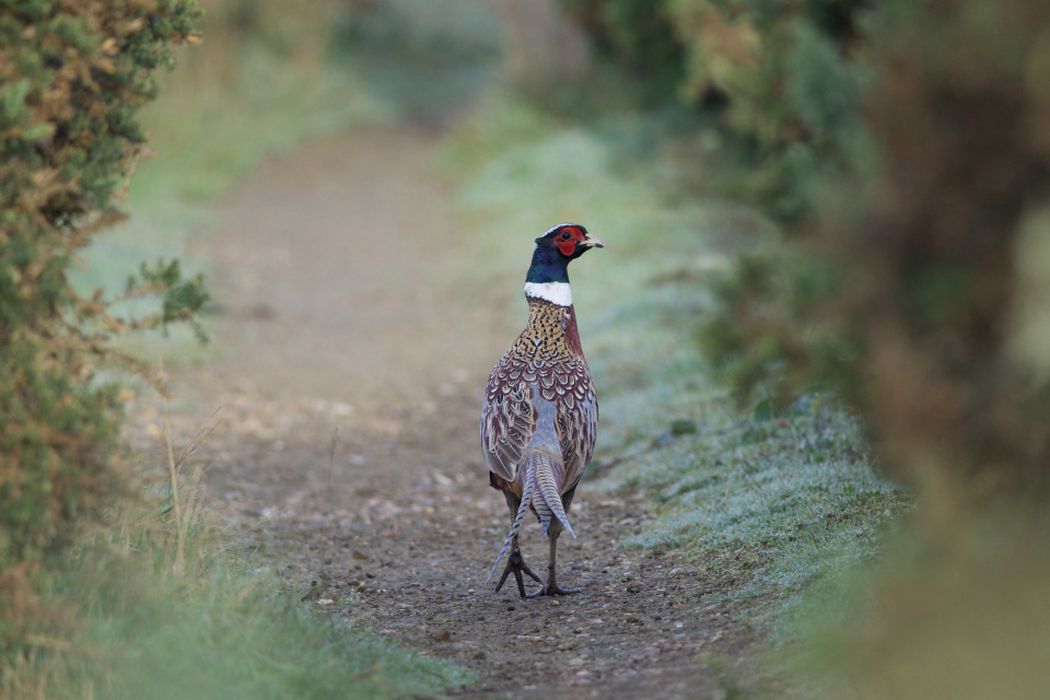
Pheasants would benefit from better protections for all animals including wildlife