The League Against Cruel Sports’ wildlife reserves in March
Posted 18th March 2026
The sun made a rare appearance yesterday on the League Against Cruel Sports’ Baronsdown wildlife reserve, and for a moment it seemed like spring had arrived.
The birds are certainly in good voice and the female blackbird in my garden has been busy nest building, while the male looks on in a purely advisory capacity. Buds on the hawthorn trees are beginning to cast off their protective cases and are bursting into leaf. People used to eat the young leaves and would call them “bread and cheese”, and this trend has resurfaced with the current fashion for foraging.
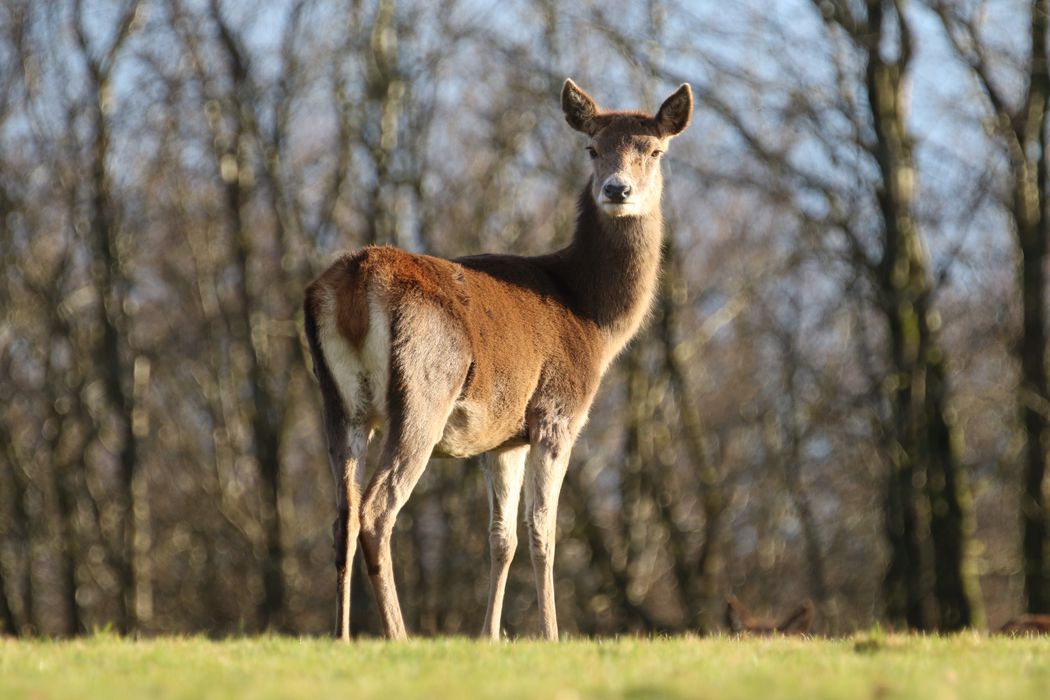
The lack of a prolonged cold period over the winter, means that the grass is already growing and the fields on Baronsdown have turned a bright shade of green, which is something I am sure the deer that graze there are pleased about. Deer are at their most vulnerable at this time of year, but that doesn’t stop the staghounds from relentlessly pursuing them.
We are looking out, or more correctly listening out, for the first migrant species to make their way back to the reserves. Chiffchaffs are usually the first bird to arrive back, after their relatively short migration from North Africa, and then birds from farther afield should start to return. Hopefully, some of the white storks released on the Cove Down wilding project will return and maybe bring others with them. One of the joys of working in nature is the not knowing exactly what will happen next.
This mass migration of wildlife does make you question why we consider some species to be native to the UK and other species to be alien. For example, most people love brown hares and hate brown rats, but both have their true home in central Asia. Red deer are considered to be native, but over the years there have been introductions from continental Europe and many also carry genes from Japanese Sika deer, or even American Wapiti deer.
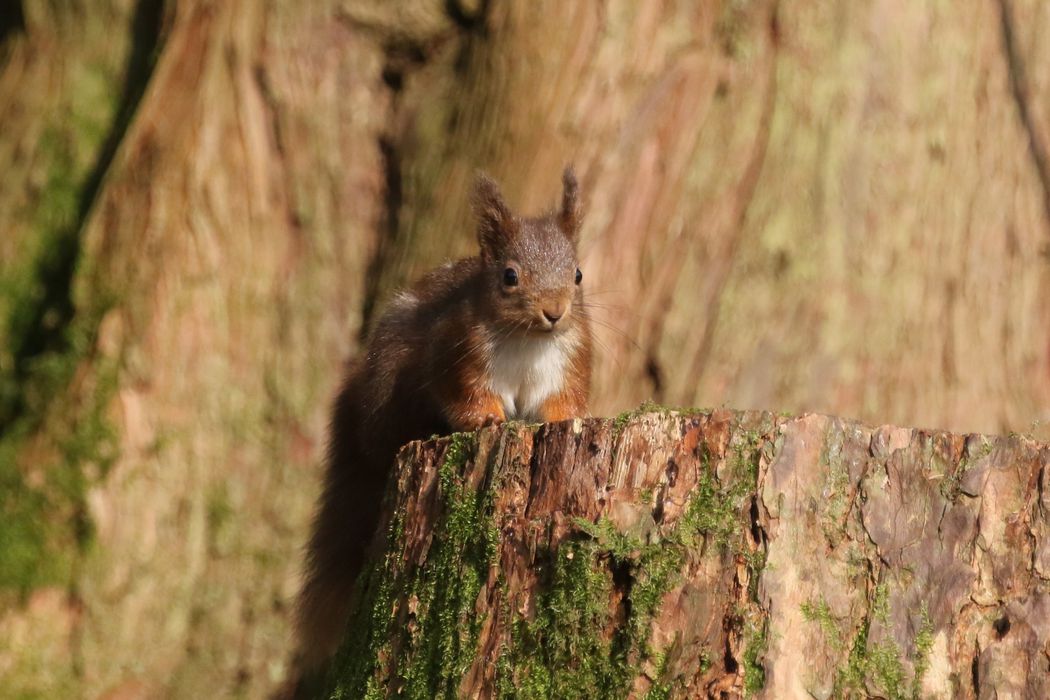
Another beloved native, the red squirrel, has seen imports from continental Europe to bolster the UK population, and red foxes were imported specifically to provide sufficient to hunt. Although foxes are no longer sold in London markets, hunts continue to capture fox cubs and move them around the country so there are enough for them to chase and kill. The ‘bagman’ may not be in Leadenhall Market anymore, but he can still be seen releasing adult foxes in front of the hounds today.