

Operation Lakeshot: Confronting the Rise in Wildlife Crime
Posted 23rd March 2026
Operation Lakeshot: Confronting the Rise in Wildlife Crime
Across the UK, a worrying new trend is emerging. Young people are using high-powered catapults to target swans, geese, ducks, and other birds in our parks, lakes, and rivers.
Just as concerning is that these acts are often filmed and shared online, turning cruelty into a kind of entertainment.
A Personal Experience
The scale of this problem became heartbreakingly real during a visit to a local park. I had gone to enjoy a quiet morning watching a family of Canada geese with their goslings, hoping to see them swim safely across the pond. Instead, what I found was shocking and deeply upsetting.
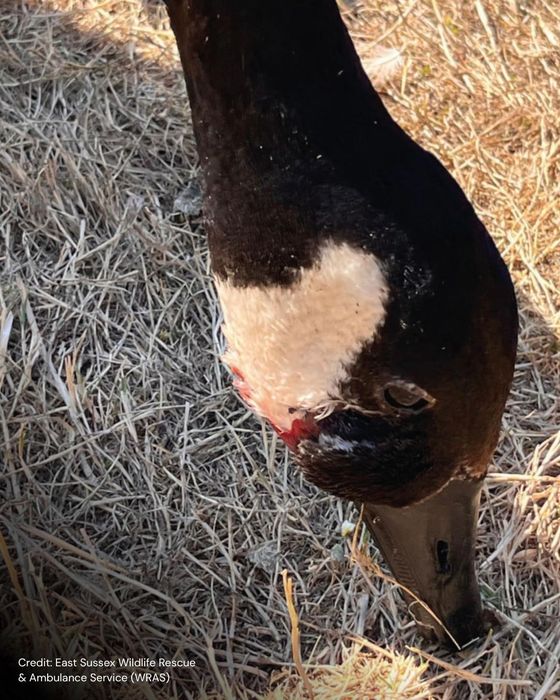
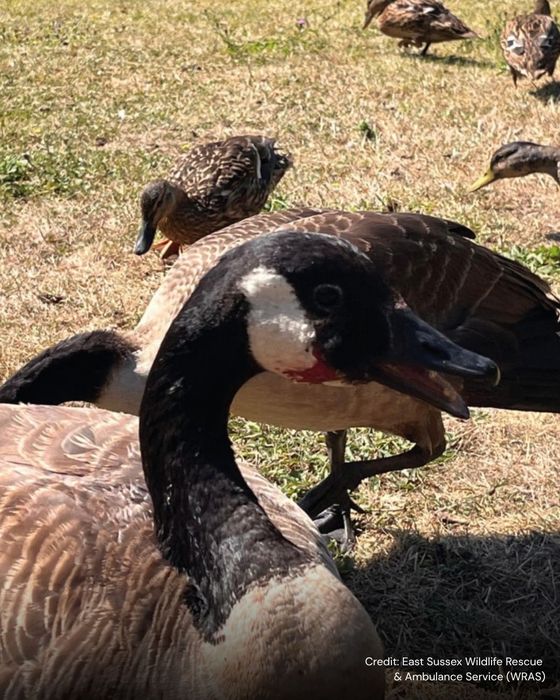
Several of the birds had been hit with steel ball bearings. Some lay lifeless on the grass while others struggled, wings trembling, eyes clouded with pain.
The sight of these vulnerable animals suffering and innocent lives being taken for amusement was gut-wrenching. I remember feeling a mix of anger, sorrow, and disbelief. It was a moment that left a mark and lit a fire within me to act.
The Launch of Operation Lakeshot
That experience was the catalyst for Operation Lakeshot. Working alongside the National Wildlife Crime Unit, our intelligence team spent two weeks combing through reports from community groups and social media. The findings were stark.
Catapult attacks on wildlife are widespread, increasing, and, alarmingly, celebrated online. Wildlife rescue centres reported near-daily cases of injured birds, while videos glorifying these acts risked desensitising young people and encouraging imitation.
Where We Are Now
Operation Lakeshot is now a national, multi-agency initiative, bringing together police wildlife crime officers, rescue organisations, and specialist groups including the British Wildlife Rehabilitation Council, the UK Slingshot Association, and the Environment Agency.
Tackling this problem requires more than enforcement. It demands education, prevention, and systemic change.
Even at this early stage, we are making progress. We have launched a national awareness campaign with educational materials and posters, engaged with the Home Office on legislation, explored tighter controls around catapults, and begun discussions with social media platforms to reduce harmful content.
We also encourage the public to report incidents through our Animal Crimewatch hotline, with plans underway for a dedicated online reporting system for wildlife rehab centres and veterinary professionals.
Many of the offenders are young, which makes early intervention and education vital. We are working with parents, schools, and communities to help young people understand that harming wildlife is unacceptable and illegal.
There are wider societal implications too, as patterns of animal cruelty are often linked to broader behavioural issues.
Operation Lakeshot is a step forward, but it cannot succeed without everyone’s support. By reporting incidents, raising awareness, and working together, we can protect our parks, lakes, and rivers and ensure they remain safe havens for wildlife, not places of suffering.