

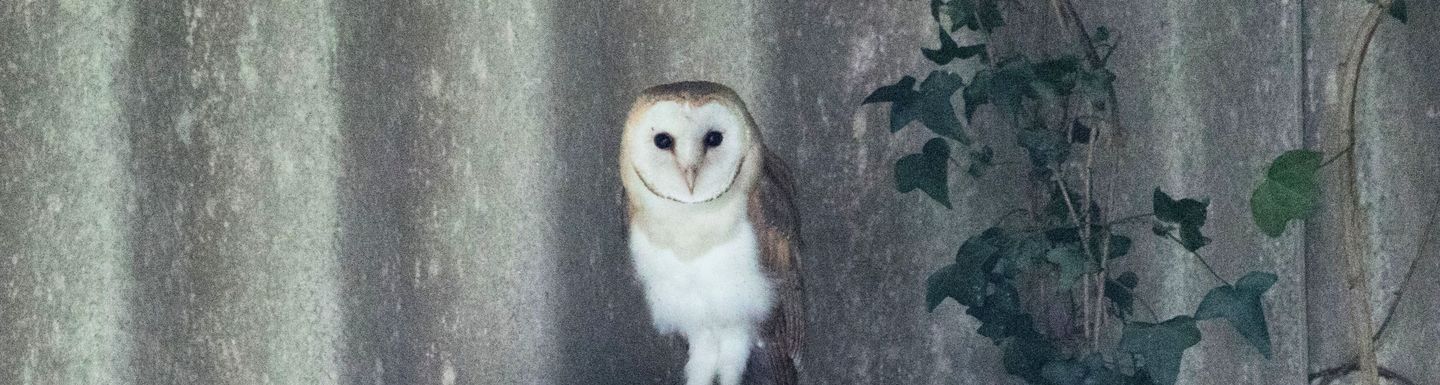
Barn Owl (Tyto alba)
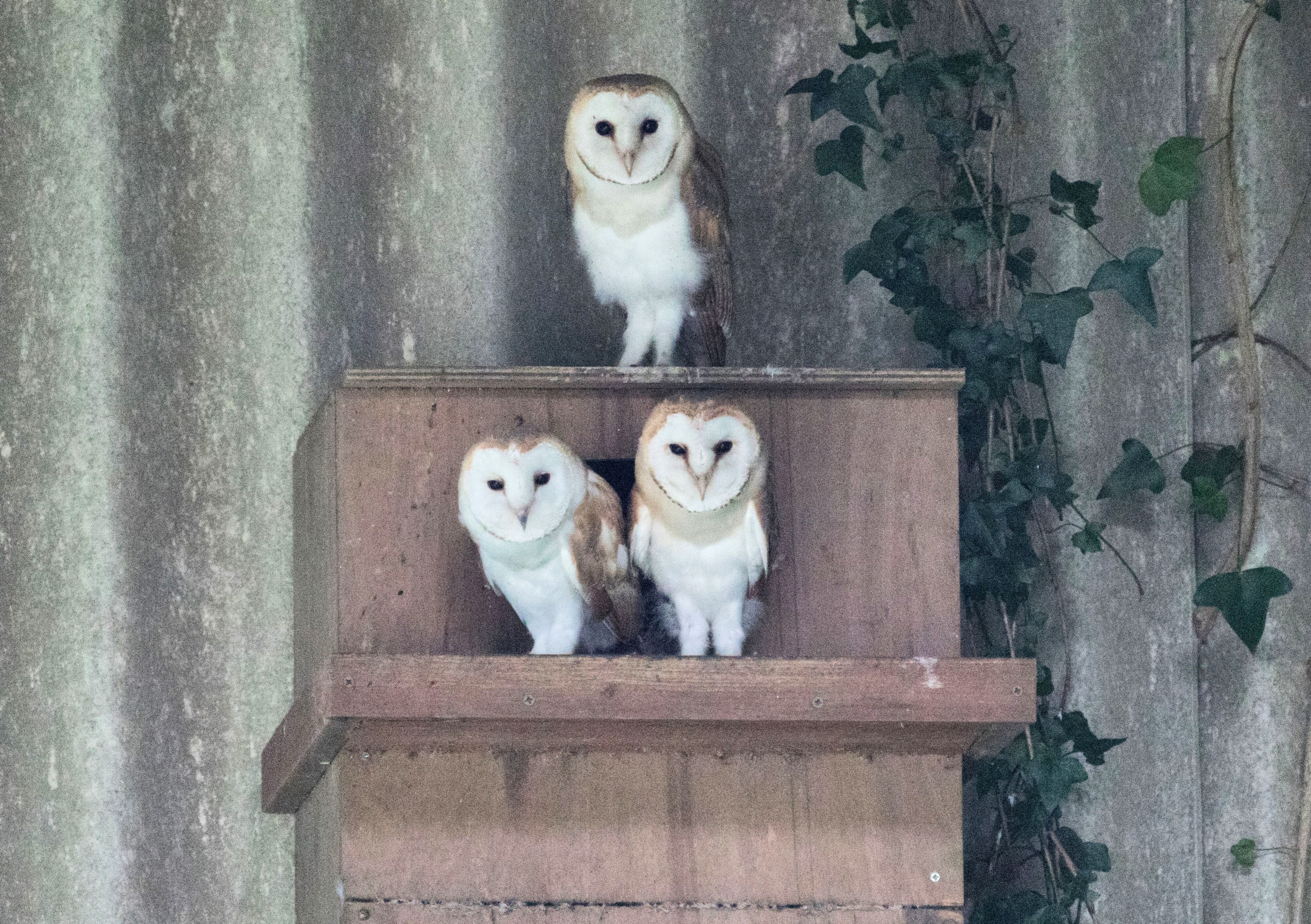
What it looks like
The barn owl is a pale bird of prey with a distinctive heart-shaped white face. Its back and wings are golden buff with grey speckles, while its underside is white.
Quick facts
- Length:
- 33–39 cm
- Weight:
- 250–350 g
You may spot a barn owl hunting at dusk, flying over fields and grasslands in search of prey.
Where it’s found
Barn owls are widespread across the UK, favouring grassland, farmland and open countryside habitats. They nest in barns, old buildings, tree cavities and nest boxes.
Why it’s important
Barn owls feed on small mammals, including voles and mice, helping to control prey populations and maintain ecosystem balance.
Conservation focus
The barn owl is currently categorised as a green-listed species and is protected by the Wildlife and Countryside Act 1981. However, barn owls still face pressures from habitat loss, road traffic and farming practices that affect prey populations.
Conservation efforts focus on installing and maintaining nest boxes, protecting grassland habitats and promoting wildlife-friendly land management practices.