

A walk through a League Against Cruel Sports wildlife reserve
Posted 25th May 2026
Chance encounters with wildlife can stir deep emotions within us and trigger a rush of chemicals around the body, as potent as any artificial stimulant.
The gruff bark of a female roe deer cut through the cacophony of birdsong, as I walked quietly through woodland on one of the League Against Cruel Sports’ wildlife reserve. I realised that I had been spotted, and without thinking I froze momentarily on the spot. Even though I hadn’t seen the deer, I knew that her anxious call probably meant that she had newborn kids stashed in the undergrowth somewhere nearby, and so I walked quickly on to avoid disturbing them. When we interact with wildlife, it is important that we do so on their terms and show them due respect.
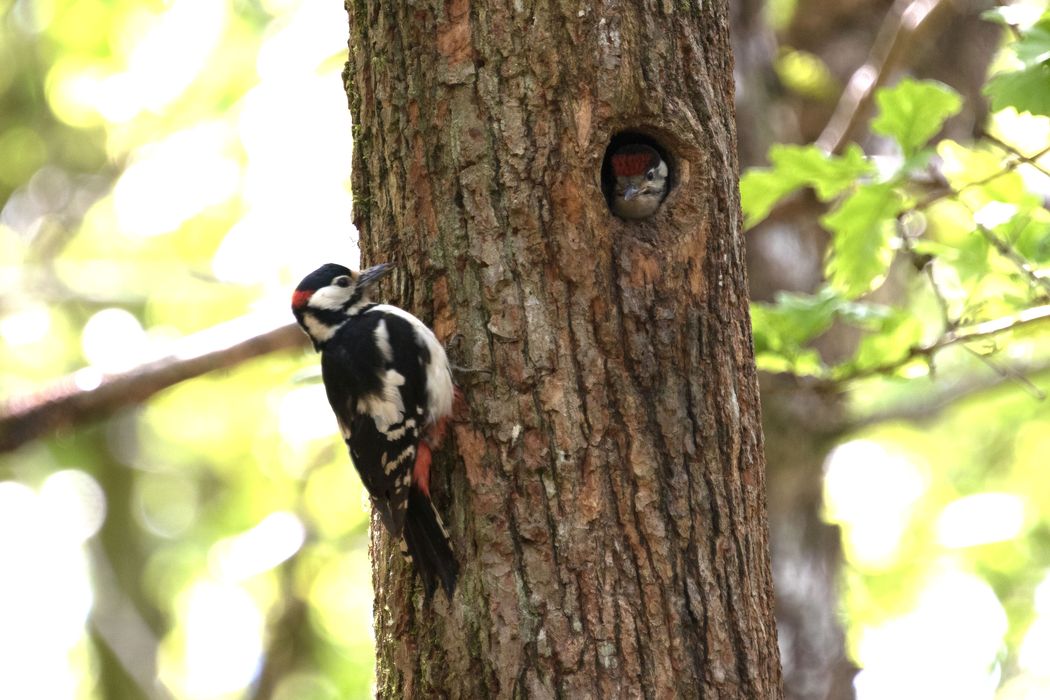
I carried on through the wood, and I could hear the monotonous churruping of great spotted woodpecker chicks in their nest. I scanned the trees ahead of me and found a hole high up in an oak tree. I waited for a while and sure enough the head of a young woodpecker appeared sporting its distinctive red cap. Moments later an adult male woodpecker arrived with a beak full of food and plunged his beak into the open mouth of the begging youngster.
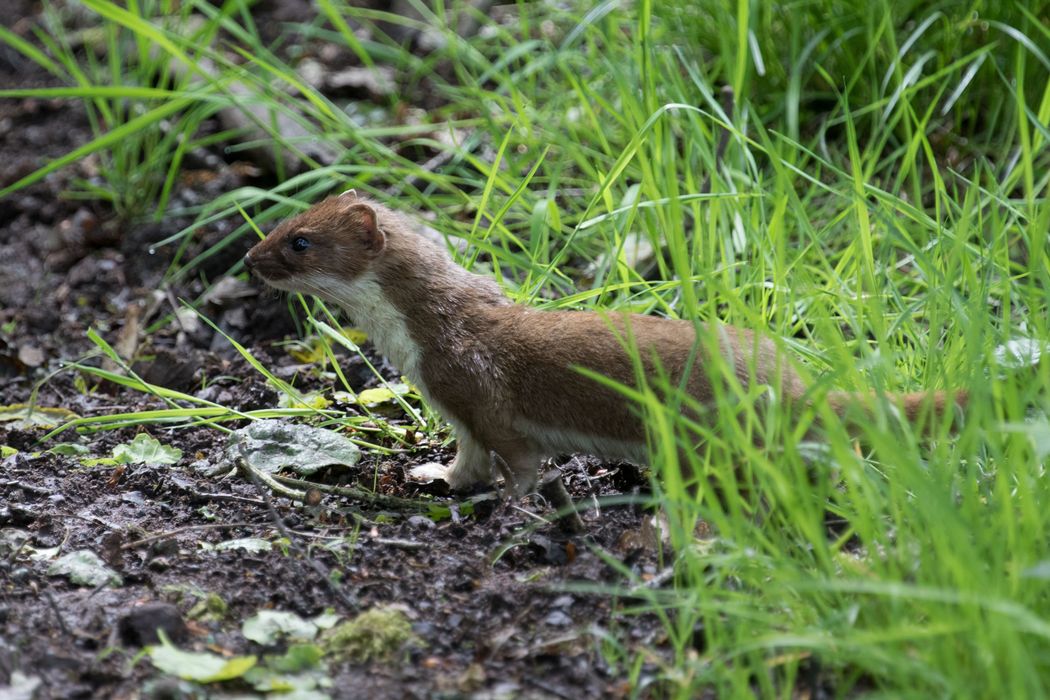
As I continued my walk, it struck me how fortunate I am to work for nature, rather than working against it like so many of my neighbours on Exmoor. As I paused, watching a pair of pied flycatchers taking food into a nestbox, something moved in the undergrowth. Suddenly a stoat appeared on the track in front of me. These incredible little native predators, with their sleek brown fur and black-tipped tail are persecuted mercilessly by gamekeepers, but they are a welcome member of the League’s wildlife reserves community. Stoats too will have young to feed at this time of year, and this individual was no doubt out to take advantage of the bounty of naïve fledgling birds.
Not everywhere is as rich in wildlife as the League’s wildlife reserves, but it is surprising what you can find in even the smallest park or garden. Taking a few minutes to appreciate nature can form a bond that will benefit you and wildlife alike.