

The League Against Cruel Sports’ wildlife reserves are teeming with wildlife in June
Posted 9th June 2026
| The first red deer calf of the year appeared, safe on the League Against Cruel Sports’ Baronsdown reserve, on 27th May this year. That’s almost a week earlier than I would have expected to see one when I first started working here more than a quarter of a century ago. The timings of natural events are moving as our climate changes and while some species can adapt, others struggle to do so. This deer calf was lucky to have an experienced mother that left it safely in the long grass on the edge of a field, as the temperature was a scorching 30 degrees, and it just blinked doe-eyed at me. In other countries, where they still have large carnivores, such as eagles and wolves, a spotted coat and lying motionless would be the best defence a newborn calf has to protect itself. In the UK, we exterminated large predators a long time ago and now the biggest threats to young deer are dogs, farm machinery, and well-meaning people who pick them up thinking they have been abandoned. Butterflies are one group that are greatly affected by the changing climate. We have recently seen a big influx of painted lady butterflies that have flown over from France on the strong southerly airflow. These insects have an amazing journey that starts in North Africa in early spring and, multiple generations later, ends with the mass migration of survivors back to Africa in autumn. Meanwhile, the small pearl-bordered fritillary butterflies that live on the wildlife reserves have struggled this year to cope with the fluctuating weather and numbers are down. Many butterflies have very specific needs and only emerge as adults for a brief period, which makes them particularly vulnerable. Like so much in life, it pays to be a generalist if you want to thrive. I have been fortunate to see lots of rare and exotic plants and animals, but I still get a lot of pleasure just from watching wildlife doing what it does, even if it is common and widespread. Whether it’s a bumble bee going diligently from flower to flower, a woodpecker feeding young, badger cubs playing, or just the wind sending waves across a hay meadow, taking time to stop and appreciate the natural world around us is great for us, and for nature too. |
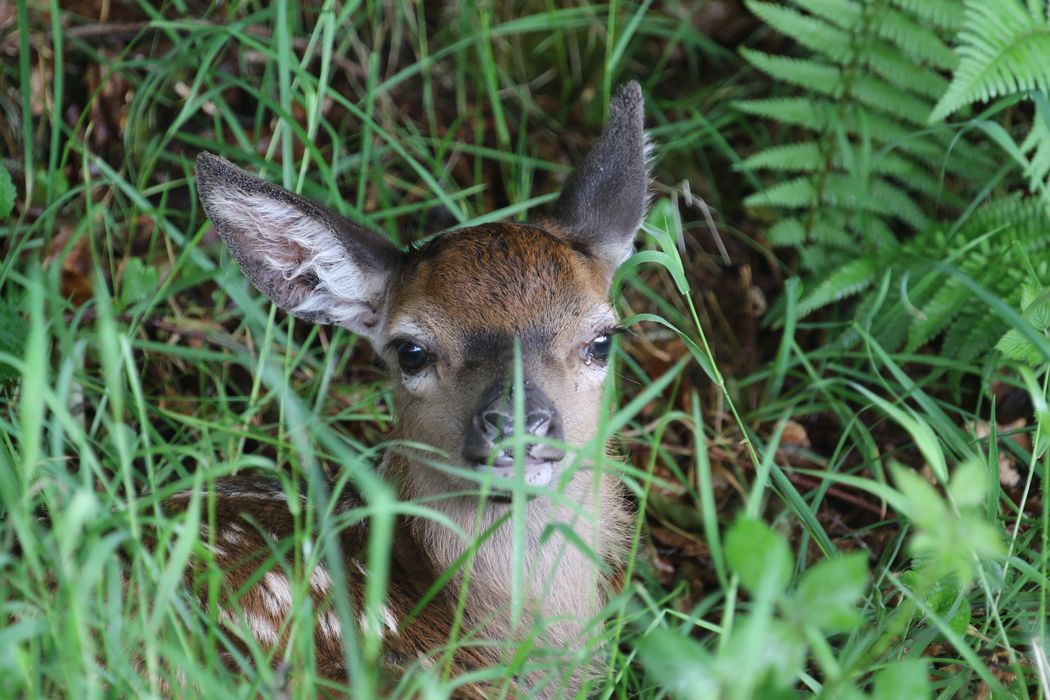
A red deer calf on the Baronsdown wildlife reserve
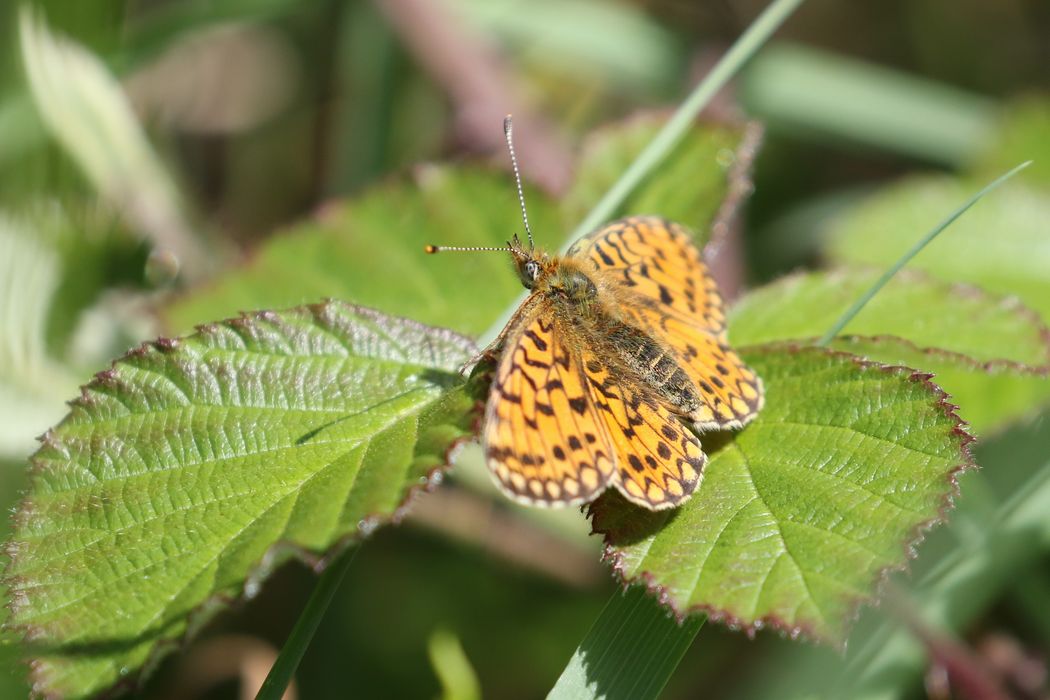
A small pearl-bordered fritillary on Baronsdown