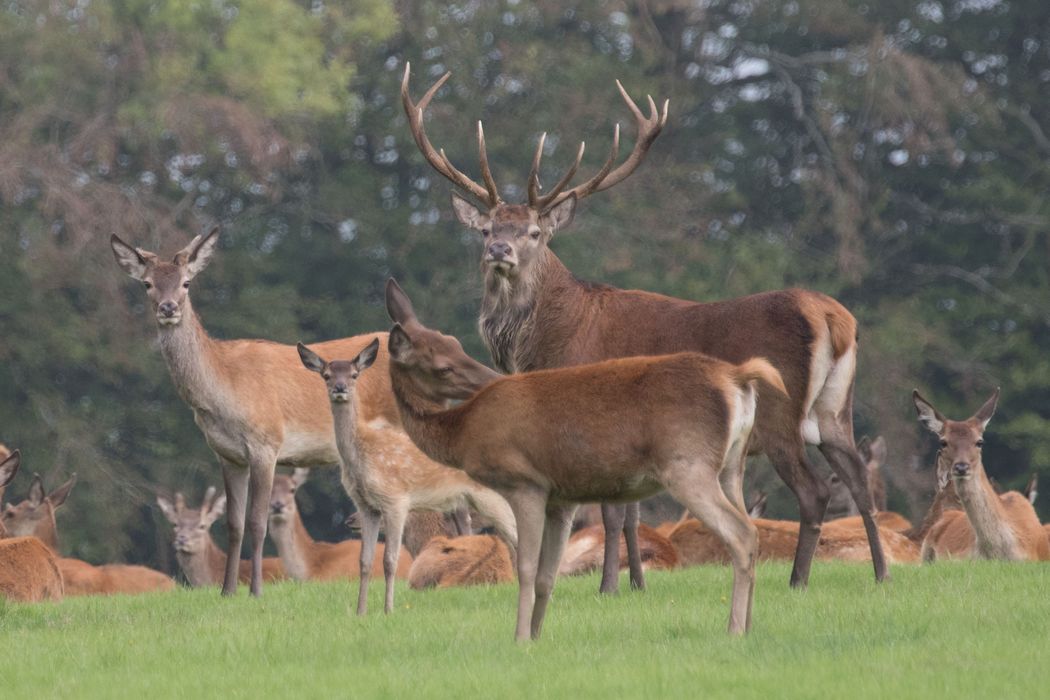
Misty mornings on the League Against Cruel Sports’ wildlife reserves.
Posted 23rd September 2026
Misty mornings on the League Against Cruel Sports’ wildlife reserves are a gentle reminder that we are slowly drifting into autumn, although high daytime temperatures suggest that summer is reluctant to let go of her hold.
The weather may be mild, but the shortening day lengths and reduced light levels trigger something primal in red deer stags, something that tells them it is time to start moving to the areas where they know they will find hinds that are ready to mate. It is a miracle that any mature stags survive, given the pressure from hunting and shooting, but some wily stags always make it, and individuals that we haven’t seen on the wildlife reserves for months suddenly reappear to take up their position on the meadows and in the woodlands. Each stag has his own tactic; some arrive early and try to hold a large harem, whereas others arrive later when the early stags are tiring, and some stags prefer to bide their time in the hope of ambushing hinds as they pass.
The autumn equinox also sees the fruiting bodies of fungi appear magically on the meadows and on seemingly every piece of dead or dying wood on the wildlife reserves. Some fungi are big and showy, like the huge parasols and field mushrooms, while some are discreet and easily overlooked. Each one is carrying out the important role of recycling organic materials and making them available to other fungi and plants through a complex underground network that makes the internet look insignificant.
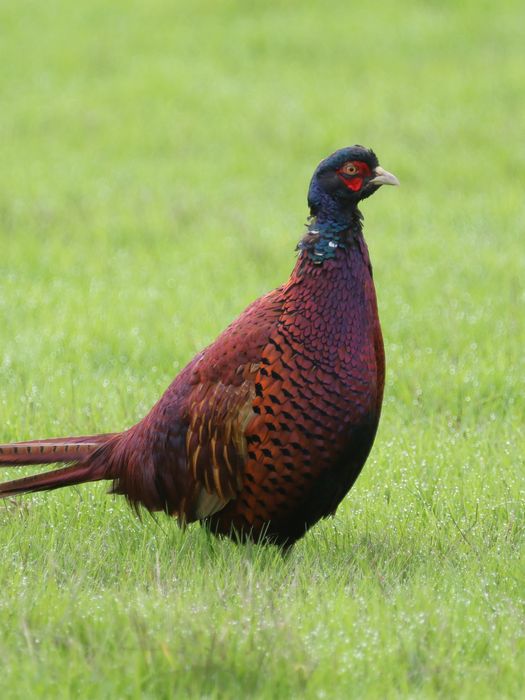
Unfortunately, autumn also sees an influx of pheasants onto the League’s wildlife reserves. These non-native chicken-sized birds are released in tens of thousands on the neighbouring shooting estates and they immediately start to escape. Hundreds of pheasants are killed on the surrounding roads long before the shooting season starts and hundreds more birds find their way onto the wildlife reserves, where they eat their way through vital insects, seeds, amphibians, reptiles and even small mammals.
Climate change adds an extra dimension to the problems that nature faces, and as I looked at the parched meadows and wilting trees during the record hot, dry summer, it was hard to imagine how they would ever recover. However, it has taken just a small amount of rainfall to reinvigorate the land and for a second flush of lush green growth to spring forth. Nature is incredibly resilient when it is given the time and space to recover, and that is exactly what nature is allowed on the League Against Cruel Sports’ wildlife reserves.